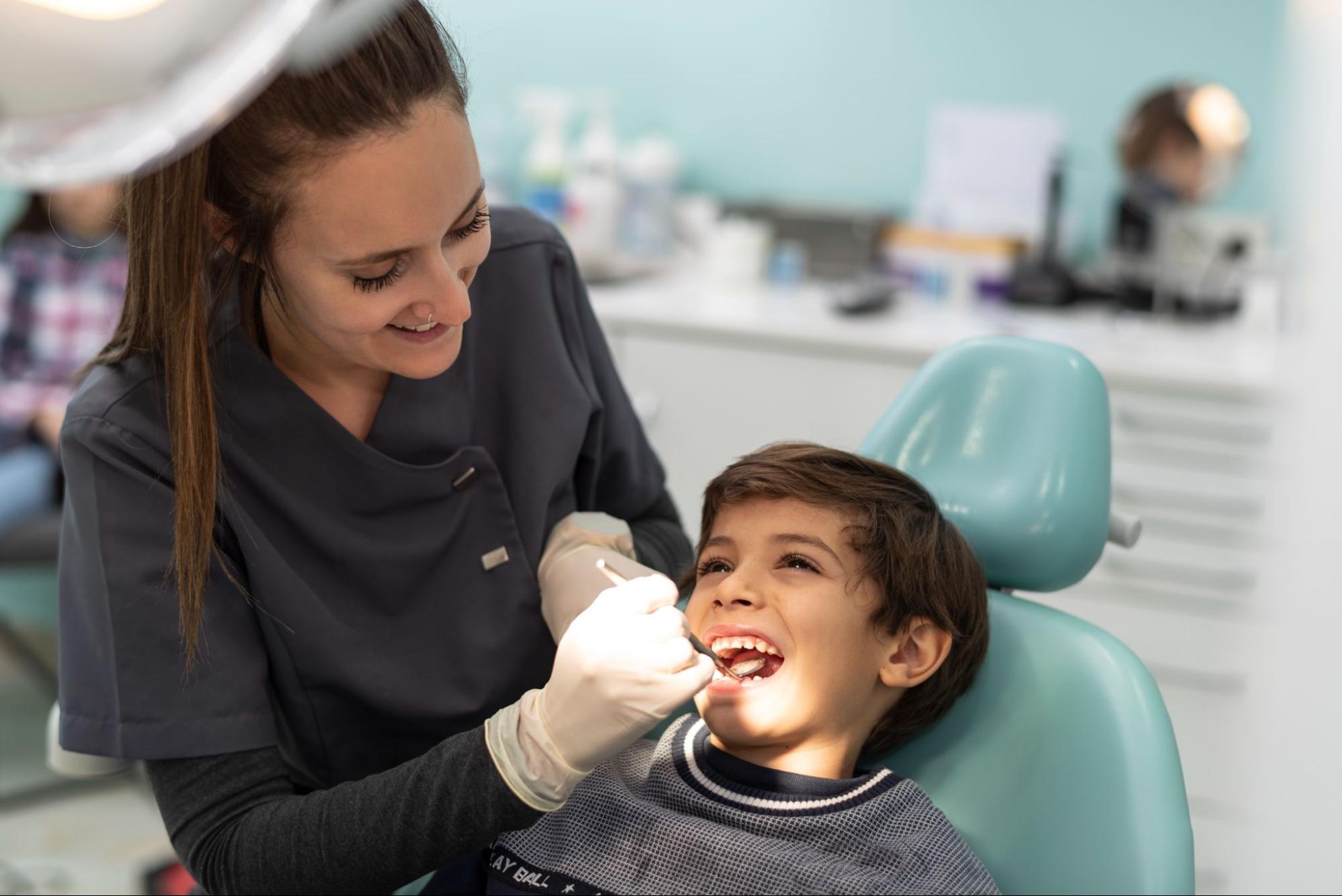
Ever wonder why some kids in Oxford or Pell City see an orthodontist before they have even lost all their baby teeth? Usually the answer is interceptive orthodontics. Dr. John Benton and Dr. Barry Benton use this early, watchful approach at Designer Smiles by Benton to make small, well-timed moves that can make the teen years easier for future braces wearers. Here is what interceptive orthodontics actually means and why timing matters so much.
What Is Interceptive Orthodontics?
Interceptive orthodontics is early treatment that helps guide how a child’s teeth and jaw grow before all the adult teeth come in. It is often called Phase I care and usually starts around ages 6 to 10, while growth is still easy to shape.
During this stage, Dr. John Benton and Dr. Barry Benton lean on early evaluation, close monitoring and, when it is needed, limited early treatment to guide bite development and set up a smoother path for later care. Parents in Oxford and Pell City often find that this first step helps their kids avoid more involved treatment down the road, which makes the teen years easier.
Why Starting Early Makes a Difference
In orthodontics, timing is a big deal. Early checks let board-certified orthodontists Dr. John Benton and Dr. Barry Benton spot growth patterns before the permanent teeth arrive, while the jaw is still developing. Families across Oxford and Pell City often bring their children in around age 7, which is the right window to see how the bite, spacing and jaw are forming.
At an early visit, the team at Designer Smiles by Benton may:
- Take digital images or x-rays to check jaw growth and tooth position
- Track how baby teeth are making room for the permanent ones
- Flag early signs of crowding or spacing before they grow into bigger concerns
- Recommend a watch-and-wait plan or early treatment, depending on what they see
These visits are about understanding what is happening under the surface so that later care feels simpler and more predictable.
How Early Treatment Works at Designer Smiles by Benton
After that first check, Dr. John Benton and Dr. Barry Benton focus on helping families understand what comes next. Early treatment is matched to your child’s growth stage, with each plan built around healthy development and long-term comfort.
Parents in Oxford and Pell City tend to notice how straightforward the process feels once a plan is set. It usually involves:
- Growth monitoring to follow how baby and adult teeth are progressing
- Comfortable digital imaging to see jaw and tooth development clearly
- Simple follow-up visits where the doctors and parents make timing decisions together
This early, personal approach keeps families in the loop and builds the kind of trust that carries through every stage of care.
Signs Your Child May Need Interceptive Orthodontics
Sometimes a small change in a child’s smile is the first clue that a visit could help. A quick evaluation with Dr. John Benton and Dr. Barry Benton can sort out what is normal and what is worth a closer look.
Bite or jaw irregularities
If your child’s bite looks uneven or their jaw shifts when they chew, it is worth seeing how the teeth are coming together while growth is still easy to guide.
Baby teeth that stick around
When baby teeth hold on too long, or fall out much earlier than expected, it can change how the permanent teeth come in.
Habits that linger
Thumb sucking and long-term pacifier use can quietly shape how teeth and jaws form. Early advice helps steer growth before those patterns get harder to change.
Spacing or overlap
Crowded baby teeth or gaps that widen as new teeth arrive can be a sign that spacing may need attention later.
Parents who catch these early often find that one short visit brings real clarity about what is next.
How Early Treatment Connects to What Comes Next
Interceptive care lays the groundwork for smoother treatment later. Once this early phase wraps up, Dr. John Benton and Dr. Barry Benton keep watching each child’s growth and guide the move into full braces or aligners when the timing is right. Because the early groundwork is already done, that later treatment often goes faster and feels simpler.
Families in Oxford and Pell City like how Designer Smiles by Benton keeps things connected from one stage to the next, which brings some real advantages:
- Consistent care. The same trusted team follows your child’s progress start to finish.
- Familiar faces. Kids come back to a place and people they already know.
- Clear communication. Parents know what is happening at every step.
That mix of experience and hometown familiarity gives families confidence about the road ahead for their child’s smile.

Frequently Asked Questions About Interceptive Orthodontics
What age should my child first see an orthodontist?
Around age 7 is the usual recommendation. By then enough adult teeth have come in for the doctors to see how the bite and jaw are forming, even though most kids will not need treatment yet.
What is Phase I treatment?
Phase I is the early stage of care, usually between ages 6 and 10, that guides growth while the jaw is still developing. It sets the stage for any later treatment rather than replacing it.
Does early treatment mean my child can skip braces later?
Not always. Early care can simplify and shorten later treatment, and some children still go on to braces or aligners as teens. The goal is to make that next phase easier, not to promise it away.
Does every child need interceptive orthodontics?
No. Many children just need monitoring at first, which is why early visits often end with a watch-and-wait plan rather than treatment. The evaluation is what tells you which group your child is in.
Small Steps, Big Impact
A small start can build lasting confidence. Families around Oxford and Pell City trust board-certified orthodontists Dr. John Benton and Dr. Barry Benton at Designer Smiles by Benton to keep early care simple and comfortable. Interceptive orthodontics points growing smiles in the right direction before the teen years even begin. Schedule your free consultation online or give us a call to see how a little early attention goes a long way.